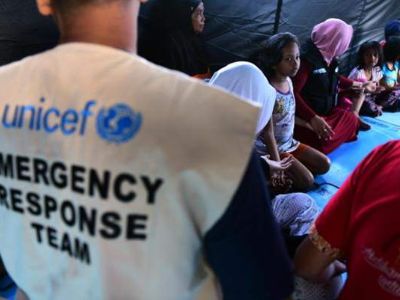

Cover image: © UNICEF/UN08247/Khuzaie
It is necessary to be prepared to respond quickly and effectively to any humanitarian crisis.
It is essential for humanitarian actors – including clusters/sectors – to have a good understanding of Emergency Response Preparedness (ERP) so that they can proactively prepare for crises and respond effectively from the outset of emergencies.
Learning Objectives
After completing this module, you will be able to:
Understand the objectives of the PRU approach, including the expected outcomes and products of the planning.
Learn about the approach to the Inter-Agency Standing Committee (IASC) PRU)
To be able to determine the different stages of the planning of the PRU and their links to the Humanitarian Project Cycle (HPC).
Identify the Global Nutrition Cluster (GNC) PRU tools that support your PRU planning
Hearing
This module is an intermediate-level course for anyone who wants to deepen their skills and knowledge ofnutrition cluster coordination in humanitarian contexts and who needs to coordinate and collaborate with the humanitarian architecture on this topic. It is part of the recommended learning path for national nutrition cluster coordinators wishing to progress to higher-level positions.
Duration
It will take you about 40 minutes to complete this course at your own pace.
Methodology
This course consists of a single, short, self-paced facilitated module with a variety of examples and activities.
Structure
Introduction
Lesson 1: What is Preparation for Nutrition
emergency response (PRU)?
10 minutes
Lesson 2: How to Undertake the
planning of the PRU?
15 minutes
Lesson 3: Aligning the PRU with other axes of
5 minutes
work
Summary
Suggested prerequisite module(s)
The role and responsibilities of the Cluster's lead agency in the sector-wide approach
Characteristics of a nutrition cluster
Understanding and using existing nutrition coordination platforms
Contact
For technical questions, ask for support.